


Selecting the right Mechanical Engineering Lab Equipment is a critical decision for universities, technical colleges, and vocational training centers. Beyond meeting curriculum requirements, Mechanical Lab Equipment must support long-term teaching goals, ensure safety, and deliver real engineering value for students.
This buyer’s guide outlines the key considerations, equipment categories, and selection strategies to help institutions make informed purchasing decisions when building or upgrading a mechanical engineering laboratory.
1. Clarify Teaching Objectives Before Purchasing
Before investing in Mechanical Engineering Lab Equipment, institutions should clearly define their teaching goals.
Key questions include:
● Is the laboratory focused on fundamental theory, applied engineering, or industry-oriented skills training?
● Will the equipment be used for undergraduate education, vocational programs, or engineering training projects?
● Does the curriculum require standalone equipment or integrated modular systems?
Mechanical Lab Equipment aligned with teaching objectives delivers long-term educational value and avoids unnecessary investment.
2. Core Categories of Mechanical Laboratory Equipment
A complete mechanical engineering laboratory usually includes several core types of Mechanical Laboratory Equipment.
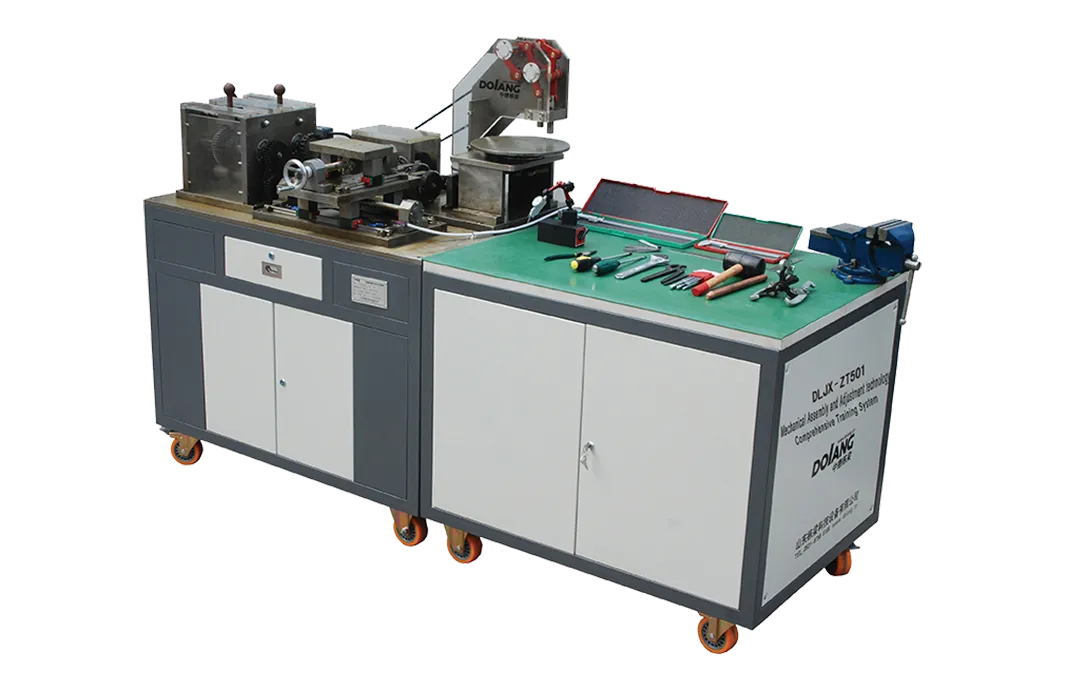
Strength of Materials and Mechanics Training Systems
These systems are fundamental to mechanical education and support experiments such as:
● Tensile, compression, bending, and torsion testing
● Stress–strain analysis
● Mechanical behavior of materials
Strength of materials equipment helps students connect theoretical mechanics with real experimental results.
Manufacturing and Machining Training Equipment
For applied engineering programs, manufacturing-focused Mechanical Lab Equipment is essential. Typical systems include:
● Conventional machining trainers
● CNC training systems
● Manufacturing process modules
● Precision measurement and tolerance training units
These systems simulate real workshop environments while maintaining safety and instructional control.
Mechanical Transmission and Machine Design Trainers
Mechanical Engineering Lab Equipment for machine design focuses on motion and power transmission, including:
● Gear, belt, and chain drive training systems
● Cam and linkage mechanism trainers
● Shaft, bearing, and coupling modules
Such equipment helps students understand mechanical structures, system relationships, and design principles.
Fluid Mechanics and Thermal Engineering Equipment
Mechanical Laboratory Equipment also supports energy and fluid-related subjects, such as:
● Fluid flow and pressure measurement
● Pump and valve performance testing
● Heat transfer and thermodynamics experiments
These systems are widely used in mechanical, energy, and industrial engineering programs.
3. Modular vs. Integrated Mechanical Lab Equipment
One key purchasing decision is whether to choose traditional standalone equipment or modular, integrated Mechanical Engineering Lab Equipment.
Why Modular Systems Are Increasingly Preferred
● Flexible experiment configurations
● Efficient use of laboratory space
● Easier future upgrades
● Support for progressive teaching from basic to advanced levels
Modern Mechanical Lab Equipment often combines multiple training functions into a single platform, improving both teaching efficiency and investment value. View integrated Mechanical Laboratory Equipment solutions →
4. Safety, Reliability, and Compliance
Because Mechanical Engineering Lab Equipment is used frequently by students, safety and durability are critical.
Institutions should confirm that equipment offers:
● Compliance with international safety standards
● Clear protective structures and emergency stop functions
● Durable materials suitable for long-term educational use
● Comprehensive documentation and training support
Reliable Mechanical Laboratory Equipment ensures stable teaching quality and reduces maintenance costs.
5. Digital and Smart Teaching Features
Modern mechanical laboratories increasingly integrate digital tools.
Advanced Mechanical Lab Equipment may include:
● Data acquisition and analysis software
● Digital sensors and monitoring systems
● Computer-based experiment control
● Compatibility with teaching management platforms
These features enhance learning outcomes and align mechanical education with current engineering practices.
6. Customization and Supplier Capability
Every institution has unique curriculum structures and space conditions. Therefore, customization capability is an important factor when selecting Mechanical Engineering Lab Equipment.
An experienced supplier should be able to provide:
● Customized laboratory layout planning
● Equipment configuration based on curriculum needs
● Integrated solutions combining mechanical and related disciplines
● Long-term technical support and spare parts supply
See how customized Mechanical Laboratory Equipment supports different teaching programs →
7. Think Beyond Price: Total Cost of Ownership
While budget is important, purchasing decisions should focus on long-term value.
Consider:
● Equipment lifespan
● Maintenance and upgrade costs
● Technical support and training services
● Adaptability to future curriculum changes
High-quality Mechanical Lab Equipment often delivers better returns over time than lower-cost alternatives.
8. Final Checklist Before Purchasing Mechanical Lab Equipment
Before finalizing a purchase, institutions should review the following checklist:
● Teaching objectives clearly defined
● Equipment matches curriculum and student level
● Safety and compliance standards verified
● Modular and upgrade-friendly design
● Digital features support modern teaching
● Supplier experience and after-sales support confirmed
This structured approach reduces procurement risk and ensures successful laboratory projects.
Plan Your Mechanical Laboratory with Confidence
Selecting Mechanical Engineering Lab Equipment is a strategic investment in engineering education. With the right equipment and an experienced solution provider, institutions can build laboratories that support practical skills development, engineering thinking, and industry readiness.
Dolang Education offers comprehensive Mechanical Engineering Lab Equipment, Mechanical Lab Equipment, and Mechanical Laboratory Equipment solutions for universities and technical institutions worldwide. Through modular design, professional customization, and reliable technical support, Dolang helps educators build efficient, future-oriented mechanical laboratories.
Discuss Your Mechanical Laboratory Project with Dolang Education Now!