


Mechanical Engineering Lab Equipment plays a critical role in bridging theoretical knowledge and hands-on engineering practice. For universities, technical colleges, and vocational training centers, a well-designed mechanical laboratory is not only a teaching space, but also a foundation for cultivating problem-solving skills, experimental thinking, and engineering competence.
This guide introduces the core categories, selection criteria, and educational value of Mechanical Lab Equipment, helping institutions build effective, future-ready mechanical laboratories.
What Is Mechanical Engineering Lab Equipment?
Mechanical Engineering Lab Equipment—also commonly referred to as Mechanical Laboratory Equipment or Mechanical Lab Equipment—includes a wide range of training systems and experimental devices designed for mechanical engineering education.
These systems are used to support teaching and research in areas such as:
● Mechanics of materials
● Manufacturing processes
● Machine design and dynamics
● Fluid mechanics and thermodynamics
● Mechatronics and automation fundamentals
High-quality mechanical laboratory equipment allows students to move beyond textbooks and directly observe mechanical behavior, structural performance, and system operation under real conditions.
Core Categories of Mechanical Lab Equipment
1. Strength of Materials & Mechanics Training Systems
These systems are essential in mechanical engineering laboratories and are widely used to demonstrate fundamental mechanical principles, including:
● Tensile, compression, and bending tests
● Torsion and shear experiments
● Stress–strain relationships
● Elastic and plastic deformation behavior
Mechanical Engineering Lab Equipment in this category helps students understand how materials respond to external forces and how theoretical formulas apply to real components.
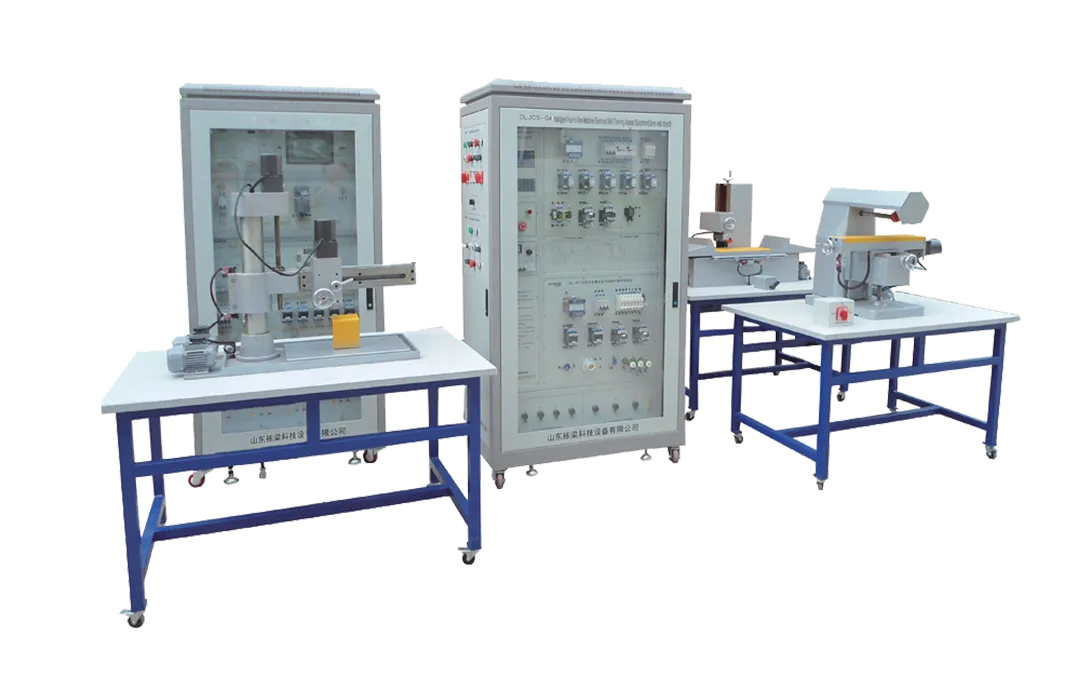
2. Manufacturing and Machining Training Equipment
Manufacturing process training is a key part of mechanical education. Typical Mechanical Laboratory Equipment includes:
● Conventional machine tools (lathe, milling, drilling trainers)
● Modular manufacturing process trainers
● Measurement and tolerance analysis units
These systems allow students to practice machining operations, process planning, and quality control in a controlled learning environment.
3. Mechanical Transmission and Machine Design Trainers
Mechanical Lab Equipment related to machine design focuses on motion transmission and system analysis, such as:
● Gear transmission training rigs
● Belt and chain drive systems
● Cam and linkage mechanism trainers
● Shaft, bearing, and coupling modules
By assembling and testing these systems, students gain a deeper understanding of mechanical structures, power transmission, and design logic.
4. Fluid Mechanics and Thermal Engineering Equipment
Mechanical Engineering Lab Equipment also covers energy and fluid systems, including:
● Fluid flow experiment benches
● Pump and valve performance test rigs
● Heat transfer and thermodynamics trainers
● HVAC and energy system simulation units
These laboratories help students visualize fluid behavior, energy conversion, and efficiency analysis, which are essential skills in mechanical and industrial engineering.
5. Integrated and Modular Mechanical Training Systems
Modern Mechanical Laboratory Equipment increasingly adopts modular and integrated designs. These systems combine multiple disciplines into one platform, allowing:
● Flexible experiment configuration
● Progressive learning from basic to advanced levels
● Integration with electrical, control, and automation training
Modular systems are especially suitable for universities and technical institutes aiming to optimize lab space while covering multiple teaching objectives.
How to Choose the Right Mechanical Laboratory Equipment
When selecting Mechanical Engineering Lab Equipment, educational institutions should consider the following factors:
Teaching Objectives Alignment
Equipment should match curriculum requirements and learning outcomes, supporting both fundamental experiments and applied engineering training.
Safety and Reliability
Laboratory equipment must meet international safety standards and be designed for frequent student use.
Scalability and Upgradability
Modular Mechanical Lab Equipment allows future expansion as teaching needs evolve.
Digital and Intelligent Features
Modern laboratories benefit from data acquisition, software integration, and digital monitoring, improving teaching efficiency and experimental accuracy.
Manufacturer Expertise and Support
Choosing an experienced educational equipment manufacturer ensures long-term technical support, customization, and training services.
Why Professional Mechanical Lab Equipment Matters in Engineering Education
Well-designed Mechanical Engineering Lab Equipment enhances:
● Practical skill development
● Engineering thinking and analysis
● Student engagement and learning outcomes
● Alignment with industry-oriented training standards
For institutions aiming to cultivate applied engineers and technicians, investing in high-quality Mechanical Laboratory Equipment is a strategic decision, not just a facility upgrade.
Building Future-Ready Mechanical Laboratories
As engineering education continues to evolve, Mechanical Lab Equipment must adapt to new teaching models, interdisciplinary learning, and industry demands. Integrated systems, digital monitoring, and modular training platforms are becoming essential components of modern mechanical laboratories.
By selecting professional Mechanical Engineering Lab Equipment from experienced educational solution providers, institutions can create laboratories that are practical, flexible, and aligned with global engineering education standards.
About Dolang Education
Dolang Education provides comprehensive solutions for mechanical engineering laboratories, offering a wide range of Mechanical Engineering Lab Equipment, Mechanical Lab Equipment, and Mechanical Laboratory Equipment designed for universities, technical colleges, and vocational training institutions worldwide. With a focus on practical training, system integration, and educational value, Dolang supports institutions in building modern, effective mechanical laboratories.